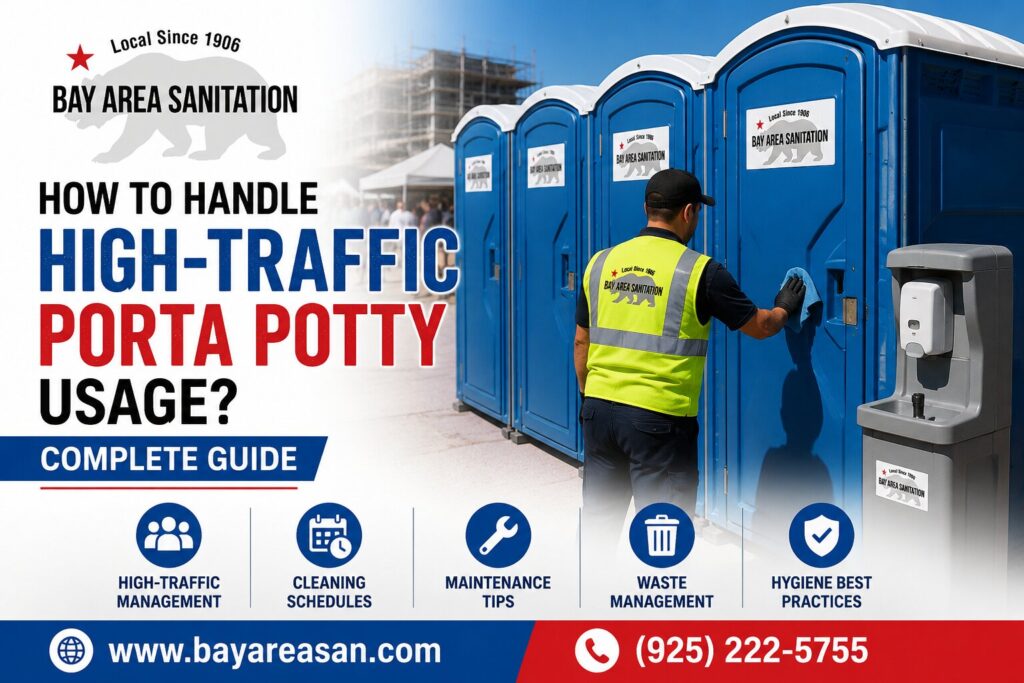
When dozens or even hundreds of people are using the same portable restrooms over a single day, things can go wrong fast. Overflowing tanks, empty soap dispensers, and units that smell terrible by noon are all signs of a sanitation setup that was not built for the crowd it is serving.
Managing a high traffic porta potty situation is not complicated, but it does require some planning. This guide covers everything you need to know to keep your restrooms clean, functional, and complaint-free no matter how big the crowd gets.
Why High-Traffic Situations Need Extra Attention
A standard porta potty is designed to handle a certain volume of use per day. When you push past that limit without adjusting your setup, the units degrade quickly. Waste tanks fill up, supplies run out, and cleanliness drops to a level that makes people avoid using them altogether.
This creates a snowball effect. The fewer people use the units, the worse the ones that do get used become. By the end of a busy day, you are dealing with a mess that is expensive to clean and damaging to your reputation as an organizer or site manager.
The good news is that with the right number of units, the right servicing schedule, and a few smart placement decisions, high-traffic sanitation is completely manageable.
Know Your Numbers Before You Book
The most important thing you can do before any high-traffic event or project is get your unit count right. Too few units is the number one cause of sanitation problems at busy sites and events.
The Portable Sanitation Association International (PSAI) provides general guidelines that most providers follow. For events, one toilet per 50 people for a four-hour window is a standard starting point. But that number changes based on event length, whether alcohol is served, and the mix of activities happening on site.
For construction sites, OSHA requires one toilet for every 20 workers during an eight-hour shift. High-traffic construction zones with large rotating crews may need more depending on how shift overlaps are managed.
General Unit Count Reference
| Scenario | People | Recommended Units |
| Outdoor event, 4 hours, no alcohol | 100 | 2 units |
| Outdoor event, 4 hours, with alcohol | 100 | 3 to 4 units |
| Full-day outdoor festival | 300 | 8 to 10 units |
| Construction site, one shift | Up to 40 workers | 2 units |
| Marathon or race event | 500 participants | 10 to 15 units |
| Concert or large public event | 1,000+ guests | 20+ units |
When in doubt, add one or two extra units. The cost is minimal compared to the problems you avoid.
Choose the Right Unit Type for the Volume
Not every unit handles heavy usage the same way. For truly high-traffic situations, a standard porta potty may not be the best choice for every location in your setup.
A Flushable Porta Potty is a strong option when you need units that hold up better under heavy use. These units have a flushing mechanism that moves waste directly into the tank, keeping the bowl cleaner between service visits. They also tend to feel more familiar to users, which means people are more likely to use them properly.
For upscale events or large corporate gatherings, restroom trailers offer multiple stalls, running water, and a much more comfortable experience overall. They are especially useful at the main entrance or VIP areas where first impressions matter.
Pairing standard units with a few upgraded options across your layout gives you both the volume coverage and the quality that keeps people satisfied throughout the day.
Increase Servicing Frequency for Busy Sites
One service visit per week is fine for a low-traffic construction site. But for a busy event or a job site with a large crew, that schedule is not going to cut it. High-traffic conditions require more frequent servicing to keep units usable and odor-free.
For multi-day events, arrange for servicing every morning before gates open. For single-day events with a large crowd, consider having an attendant on site who can restock supplies and do light cleaning throughout the day. For construction sites with large crews working double shifts, twice-weekly servicing at a minimum is a smart call.
Talk to your rental provider about building a custom service schedule that fits your actual usage. A provider that understands high-traffic needs will work with you on this rather than just offering a default weekly plan.
What Our Customers Say About Bay Area Sanitation
Linda C., Event Director, South San Francisco, CA “We hosted a large community fair and I was worried about keeping up with restroom demand. Bay Area Sanitation helped us figure out the right number of units and scheduled a mid-day service visit. Everything stayed clean the whole time. If you need a porta potty rental South San Francisco CA that actually delivers, these are the people to call.”
Mark S., Site Supervisor, Sunnyvale, CA “Our crew expanded significantly on a commercial project and our old provider just could not keep up. We switched to Bay Area Sanitation and the difference was immediate. The servicing schedule was adjusted to match our crew size, and we never had a complaint from the team again. Best porta potty rental Sunnyvale CA experience we have had.”
Priya D., Festival Coordinator, San Jose, CA “I coordinate a yearly outdoor food festival with several hundred attendees and sanitation has always been the thing I stress about most. Bay Area Sanitation walked me through everything, from unit types to placement strategy. Our portable restroom rentals in san jose ca setup was flawless this year. Not a single complaint from guests.”
Smart Placement Strategies for High-Traffic Setups
Where you put your units matters just as much as how many you have. Poor placement leads to bottlenecks, long lines, and uneven usage across your site. Some units get overloaded while others barely get touched.
The goal is to spread units across the venue or site so that people do not have to travel far no matter where they are standing. For large outdoor events, think in zones. Place a cluster near the entrance, another near the main stage or activity area, and another near food and beverage stations.
For construction sites, units should be close enough to the work area that workers do not lose significant time getting there, but placed away from material staging zones and equipment paths. Having units at multiple points across a large site reduces line-ups and keeps things moving.
Placement Best Practices at a Glance
| Situation | Placement Tip |
| Large outdoor event | Distribute units across entry, mid-venue, and exit zones |
| Food and beverage area | Place units at least 20 feet away from food stations |
| Construction site | One cluster near main work zone, one near break area |
| Multi-level venue | At least one accessible unit per active floor or zone |
| Events with alcohol | Place extra units near bar areas where traffic is highest |
Keep Supplies Stocked Throughout the Day
Running out of toilet paper or hand sanitizer is a small problem that quickly becomes a big one. In high-traffic situations, supplies deplete much faster than expected. A unit that is out of supplies feels abandoned, and people often stop using it entirely rather than making do.
If you have an attendant managing your portable restrooms during an event, make sure they are checking supplies every hour or two during peak times. For sites without an attendant, ask your rental provider to include additional supply drops as part of your service agreement.
Handwashing stations are also worth adding to your setup, especially near food service areas or at the entrance and exit of your restroom cluster. Clean hands are part of the full sanitation picture, not just an add-on.
Handle Odor Before It Becomes a Problem
Odor is the thing people complain about most when it comes to portable restrooms, and in high-traffic situations, it builds up faster. The good news is that it is mostly preventable with the right approach.
Modern porta potties use deodorizing chemicals in the waste tank that do a solid job under normal conditions. But under heavy use, those chemicals get diluted faster and odor can creep in before the next service visit.
Requesting additional deodorizer top-ups during long events or busy site periods is a simple fix. Ventilation also plays a role, so placing units in areas with some natural airflow rather than in enclosed corners helps a lot.
And keeping the units out of direct afternoon sun reduces heat buildup inside the unit, which is one of the biggest drivers of odor in places like South San Francisco and Sunnyvale during warm months.
Frequently Asked Questions
How do I know if I have enough units for a high-traffic event?
Start with the PSAI guideline of one unit per 50 people for a four-hour event and adjust from there. If alcohol is involved, the event runs longer than four hours, or your crowd is particularly large, add more units. When unsure, always go one or two over rather than one short.
How often should units be serviced during a busy multi-day event?
Daily servicing before the event opens each morning is the standard for multi-day events. For extremely high-traffic situations, a mid-day check and quick clean by a site attendant can make a big difference in keeping things comfortable.
Is a Flushable Porta Potty worth the extra cost for large events?
For events where user experience matters, yes. A Flushable Porta Potty keeps the bowl cleaner between visits and feels more familiar to guests. For premium sections, VIP areas, or events where you want to make a good impression, the upgrade is well worth it.
What is the best way to reduce odor in high-traffic units?
Schedule more frequent servicing, request additional deodorizer treatments, place units in areas with natural airflow, and avoid positioning them in direct sunlight during the hottest parts of the day. All of these steps work together to keep odor under control.
Can Bay Area Sanitation handle large orders across multiple locations?
Yes. Bay Area Sanitation serves the full Bay Area region, including South San Francisco, Sunnyvale, San Jose, and surrounding communities. Whether you need units at a single large site or across multiple locations, their team can coordinate delivery, servicing, and pickup across all of them.
Let Bay Area Sanitation Handle the Hard Part
High-traffic sanitation does not have to be stressful. With the right number of units, a smart servicing schedule, and a provider who understands what busy events and sites actually need, you can keep everything running smoothly from start to finish.
Bay Area Sanitation serves communities across the Bay Area, including South San Francisco, Sunnyvale, and San Jose. Their team will help you figure out the right setup, deliver on time, and keep your units clean no matter how big the crowd gets.
Get a Quote for Porta Potty Rental San Francisco CA | Book Portable Restroom Rentals in San Jose CA Today
Bay Area Sanitation | Proudly Serving the Bay Area
External Sources: 1. Portable Sanitation Association International, Planning and Usage Guidelines: https://www.psai.org/ 2. OSHA Sanitation Standards for Construction Worksites: https://www.osha.gov/laws-regs/regulations/standardnumber/1926/1926.51